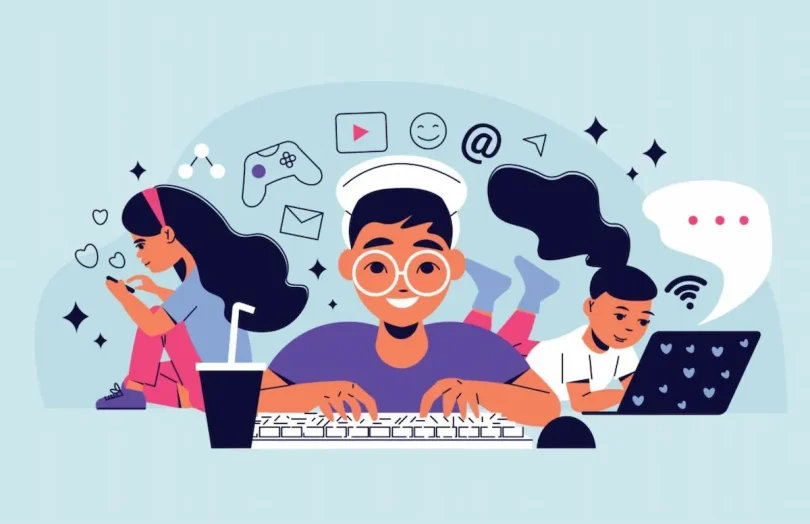

The internet has become a central part of everyday life. From communication and education to shopping and entertainment, people rely on online platforms for a wide range of activities. However, while the digital world offers convenience, it also brings risks. That is why understanding your basic rights online is essential.
Many users are not fully aware of what protections they have when using the internet. This lack of awareness can lead to privacy issues, misuse of personal data, or even online harassment. This guide explains basic rights online awareness in simple, clear terms, helping beginners understand how to stay safe and confident in the digital space.
What Are Online Rights?
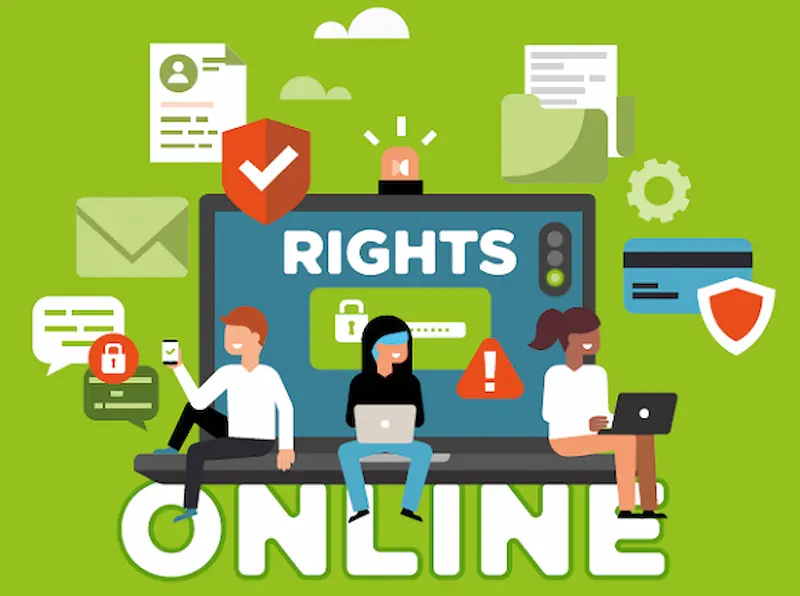
Online rights are the freedoms and protections you have while using the internet. These rights are an extension of your basic human and legal rights, applied to digital environments.
They ensure that you can:
- Use the internet safely
- Protect your personal information
- Express yourself freely
- Avoid unfair or harmful treatment online
Online rights are important because they help maintain trust, fairness, and security in the digital world.
Why Online Rights Awareness Matters
Many people use the internet daily, but rarely think about their rights. Awareness is important for several reasons:
1. Protection of Personal Information
Your personal data—such as your name, phone number, or location—can be valuable. Knowing your rights helps you control how this information is collected and used.
2. Prevention of Online Abuse
Understanding your rights can help you recognize and respond to online harassment, bullying, or threats.
3. Safe Digital Participation
When you know your rights, you can participate in online activities without fear or confusion.
4. Better Decision-Making
Awareness allows you to make informed choices when sharing information, accepting terms, or interacting online.
Key Online Rights Everyone Should Know

1. Right to Privacy
Privacy is one of the most important online rights. It means you have control over your personal information.
This includes:
- Deciding what information to share
- Knowing how your data is used
- Having your data protected from misuse
You should always be cautious about what you post or share online, especially on public platforms.
2. Right to Data Protection
Data protection goes beyond privacy. It ensures that your personal information is handled securely.
You have the right to:
- Know what data is being collected
- Understand why it is being collected
- Request correction or deletion of your data in some cases
This helps prevent misuse, identity theft, and unauthorized access.
3. Freedom of Expression
You have the right to express your thoughts and opinions online. This includes:
- Sharing ideas
- Participating in discussions
- Creating content
However, this right comes with responsibility. You should avoid spreading harmful, false, or offensive content.
4. Right to Protection from Harm
Everyone has the right to feel safe online. This includes protection from:
- Cyberbullying
- Harassment
- Threats
- Fraud or scams
If you experience such issues, you have the right to report them and seek help.
5. Right to Access Information
The internet provides access to a vast amount of information. You have the right to:
- Search for knowledge
- Learn new skills
- Stay informed about important topics
Access to information supports education and personal growth.
Common Online Risks and How Rights Help
Understanding your rights can help you deal with common online risks:
1. Data Misuse
Sometimes, personal data is collected without clear permission. Knowing your rights helps you question and limit such practices.
2. Online Scams
Fraudulent messages or offers can trick users. Awareness helps you recognize suspicious behavior and avoid falling victim.
3. Identity Theft
If someone gains access to your personal information, they can misuse it. Protecting your data reduces this risk.
4. Cyberbullying
Harmful interactions can affect mental well-being. Your right to safety allows you to take action against such behavior.
You may also like to read this:
Rights Awareness for Citizens: Know Your Rights
Personal Rights Awareness Tips: Stay Safe & Informed
Understanding Your Rights Guide: Know Your Rights
Legal Procedures Step by Step: A Beginner’s Guide
Daily Rights Awareness Advice: Simple Ways to Protect Yourself
How to Protect Your Online Rights
You can take simple steps to protect yourself:
1. Use Strong Passwords
Create unique and secure passwords for your accounts. Avoid using easily guessed information.
2. Be Careful with Personal Information
Do not share sensitive details unless necessary and only on trusted platforms.
3. Read Terms and Conditions
Before using a service, try to understand how your data will be used.
4. Adjust Privacy Settings
Most platforms allow you to control who can see your information. Use these settings wisely.
5. Think Before You Click
Avoid clicking on unknown links or downloading suspicious files.
Recognizing When Your Rights Are Violated
It is important to identify when something is wrong. Signs of a rights violation include:
- Your data is used without your knowledge
- You receive threats or harassment
- You are denied access unfairly
- Your content is misused without permission
If you notice any of these, take action to protect yourself.
What to Do If Your Rights Are Violated
If you believe your online rights have been violated, follow these steps:
1. Stay Calm
Do not react immediately. Take time to understand the situation.
2. Collect Evidence
Save messages, screenshots, or any proof that supports your claim.
3. Report the Issue
Use available reporting options to inform the platform or the relevant authority.
4. Seek Support
Talk to someone you trust or consult a professional if needed.
5. Strengthen Your Security
Update passwords and review your privacy settings.
Responsibilities That Come with Online Rights
Rights are important, but they also come with responsibilities. As an internet user, you should:
- Respect others’ privacy
- Avoid sharing harmful or false information
- Communicate respectfully
- Follow laws and guidelines
A safe online environment depends on everyone acting responsibly.
The Role of Awareness in Digital Life
Awareness is the first step toward safety. When people understand their rights, they are more likely to:
- Make better online choices
- Avoid risky situations
- Help others stay safe
- Build a positive online community
Learning about online rights is not a one-time task. It is something that should continue as technology evolves.
Tips for Beginners to Stay Safe Online
If you are new to the digital world, these tips can help:
- Start with basic knowledge of privacy and security
- Use trusted devices and networks
- Avoid oversharing personal details
- Stay updated about common online risks
- Practice safe browsing habits
Small actions can make a big difference in protecting your rights.
Conclusion
Basic rights awareness online is essential in today’s digital age. The internet offers many opportunities, but it also requires careful use. By understanding your rights, you can protect your personal information, stay safe, and use online platforms with confidence.
You do not need advanced technical knowledge to begin. Simple awareness and thoughtful actions are enough to make your online experience safer and more secure. Over time, this awareness becomes a natural part of how you interact with the digital world.
Frequently Asked Questions (FAQs)
1. What are basic online rights?
Basic online rights include privacy, data protection, freedom of expression, access to information, and protection from harm.
2. How can I protect my personal data online?
Use strong passwords, avoid sharing sensitive information, and adjust your privacy settings regularly.
3. What should I do if someone harasses me online?
Save evidence, report the behavior, and seek support from trusted individuals or authoritie.
4. Is it safe to share personal information online?
Only share necessary information on trusted platforms and avoid making it publicly visible.
5. Why is online rights awareness important?
It helps you stay safe, avoid risks, protect your data, and use the internet confidently.