Legal procedures can seem confusing, especially if you are new to the legal system. The use of formal language, structured steps, and official processes often makes things feel more complicated than they actually are. However, when explained in simple terms, basic legal procedures become much easier to understand.
This guide cover basic legal procedures explained clearly and simply. It focuses on the essential steps involved in most legal matters so that beginners can gain confidence and clarity.
What Are Legal Procedures?

Legal procedures are the official steps followed to resolve disputes or enforce laws. These procedures ensure that cases are handled fairly and that all parties involved have an equal opportunity to present their side.
Legal procedures can apply to different types of situations, including:
- Civil disputes (such as financial or property issues)
- Criminal cases (involving alleged law violations)
- Family matters (such as divorce or custody)
Although specific rules may vary depending on the situation, the general process is similar in most cases.
Why Understanding Basic Legal Procedures Is Important
Having a basic understanding of legal procedures is helpful for everyone, not just legal professionals.
1. Reduces Confusion
Knowing the steps helps you understand what is happening at each stage.
2. Builds Confidence
You feel more comfortable dealing with legal matters when you know what to expect.
3. Protects Your Rights
Awareness ensures that your rights are respected throughout the process.
4. Helps You Make Better Decisions
Understanding the process allows you to choose the best course of action.
Step 1: Identifying the Legal Issue
Every legal procedure begins with identifying the problem.
Ask yourself:
- What happened?
- Who is involved?
- What outcome do I want?
For example, your issue could be:
- A disagreement over money
- A problem with a contract
- A workplace conflict
- A criminal allegation
Clearly defining the issue helps you move forward effectively.
Step 2: Gathering Information and Evidence
Once you understand the issue, the next step is to collect relevant information.
This may include:
- Contracts or agreements
- Receipts or financial records
- Emails or messages
- Photos or videos
Evidence is important because it supports your claims and helps explain your case.
Step 3: Understanding Your Legal Rights
Before taking action, it is important to know your basic rights.
You should understand:
- What protections do you have under the law
- What actions can you take?
- What outcomes are possible
Even a basic understanding can help you avoid mistakes and make informed decisions.
Step 4: Attempting Informal Resolution
Not all legal issues require formal procedures. Many disputes can be resolved through simple communication.
You can:
- Talk directly to the other party
- Explain your concerns calmly
- Try to reach a fair agreement
Resolving issues informally can save time, money, and stress.
Step 5: Sending a Formal Notice

If informal efforts do not work, the next step is often sending a formal notice.
A legal notice:
- Clearly explains the problem
- State what you expect
- Gives the other party a chance to respond
This step shows that you are serious about resolving the issue.
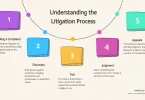
Step 6: Filing a Case
If the issue is still unresolved, you may need to file a case.
This involves:
- Preparing a written complaint
- Submitting it to the appropriate court or authority
- Paying any required fees
The complaint should include:
- Details of the issue
- Evidence supporting your claim
- The outcome you are seeking
Step 7: Notifying the Other Party
After the case is filed, the other party must be informed.
This ensures:
- They are aware of the case
- They have an opportunity to respond
This step is essential for fairness in legal proceedings.
Step 8: Response from the Other Party
The other party will reply to your complaint.
They may:
- Accept your claim
- Deny it
- Present their own version of events
This stage helps clarify the issues that need to be resolved.
Step 9: Preparation Before the Hearing
Before the case goes to court, both sides prepare their arguments.
This may involve:
- Organizing documents
- Reviewing evidence
- Preparing statements
Proper preparation helps you present your case clearly.
You may also like to read this:
Personal Rights Awareness Tips: Stay Safe & Informed
Understanding Your Rights Guide: Know Your Rights
Legal Procedures Step by Step: A Beginner’s Guide
Daily Rights Awareness Advice: Simple Ways to Protect Yourself
Basic Rights Awareness Online: A Beginner’s Guide
Step 10: Court Hearing or Trial
The hearing is where both sides present their case.
During this stage:
- Evidence is presented
- Witnesses may be questioned
- Arguments are explained
A judge or authority listens carefully to both sides before making a decision.
Step 11: Judgment or Decision
After reviewing all the information, the court makes a decision.
The judgment may:
- Resolve the dispute
- Award compensation
- Dismiss the case
The decision is based on evidence and applicable laws.
Step 12: Enforcement of the Decision
Once a decision is made, it must be followed.
This may involve:
- Paying money
- Returning property
- Following specific instructions
If a party does not comply, further legal action may be taken.
Types of Legal Procedures
Understanding different types of procedures helps you know what to expect.
Civil Procedures
These involve disputes between individuals or organizations, such as contracts or property matters.
Criminal Procedures
These involve alleged crimes and may result in penalties or punishment.
Family Procedures
These include matters like marriage, divorce, and child custody.
Each type follows similar steps but may have specific rules.
Common Challenges in Legal Procedures
Legal procedures can present challenges, especially for beginners.
1. Complexity
Legal terms and rules can be difficult to understand.
2. Delays
Cases may take time due to multiple steps.
3. Costs
There may be fees involved in filing and processing cases.
4. Emotional Stress
Legal disputes can be stressful and affect your well-being.
Being prepared can help you manage these challenges better.
Practical Tips for Beginners
Stay Organized
Keep all documents and records in one place.
Follow Deadlines
Missing deadlines can affect your case.
Be Honest
Always provide accurate information.
Stay Calm
Clear thinking helps you make better decisions.
Keep Learning
Understanding basic legal concepts improves confidence.
The Importance of Fairness in Legal Procedures
Legal procedures are designed to ensure fairness and justice.
They provide:
- Equal opportunity for both sides
- Protection of rights
- A structured way to resolve disputes
Following proper procedures helps maintain trust in the legal system.
Building Confidence in Legal Matters
Confidence comes from understanding and preparation.
You can build confidence by:
- Learning step by step
- Asking questions when needed
- Staying patient
- Practicing clear communication
Over time, legal procedures will feel more manageable.
Conclusion: Basic Legal Procedures Explained
Basic legal procedures may seem complex at first, but they become much easier when explained in simple steps. From identifying the issue to enforcing a decision, each stage plays an important role in resolving disputes fairly.
By understanding the process, staying organized, and approaching each step calmly, you can handle legal matters with confidence. You do not need expert knowledge to begin—just a willingness to learn and take things one step at a time.
Legal awareness is a valuable skill that can help you protect your rights and make better decisions throughout your life.
Frequently Asked Questions (FAQs)
1. What are basic legal procedures?
Basic legal procedures are the steps followed to resolve disputes or apply laws in an organized and fair way.
2. Do all legal issues require going to court?
No, many disputes can be resolved through communication or negotiation without going to court.
3. Why is evidence important in legal procedures?
Evidence supports your claims and helps prove your case.
4. Can beginners understand legal procedures easily?
Yes, when explained in simple steps, legal procedures can be understood by anyone.
5. What should I do if I feel confused during a legal process?
Take time to understand each step, stay organized, and seek guidance if needed.