Understanding how court legal procedures work can feel challenging, especially if you have never been involved in a legal case before. Courts follow structured steps to ensure fairness, but without basic knowledge, the process may seem confusing and stressful.
This guide provides clear and simple court legal procedures tips. It focuses on practical advice that beginners can use to navigate the system more confidently and avoid common mistakes.
What Are Court Legal Procedures?

Court legal procedures are the formal steps followed in a court to resolve disputes or decide legal matters. These procedures are designed to ensure that every case is handled fairly and that both sides have an equal opportunity to present their arguments.
Court procedures apply to different types of cases, such as:
- Civil cases (disputes over money, property, or agreements)
- Criminal cases (cases involving alleged crimes)
- Family cases (such as divorce or custody matters)
Although specific rules may vary, the general process is similar in most situations.
Why It Is Important to Know Court Procedures
Having basic knowledge of court procedures can make a big difference in your experience.
1. Reduces Stress
When you know what to expect, you feel more prepared and less anxious.
2. Helps You Stay Organized
Understanding the process allows you to manage documents and deadlines properly.
3. Improves Communication
You can explain your case clearly and respond effectively.
4. Protects Your Rights
Awareness ensures that you are treated fairly throughout the process.
Tip 1: Clearly Understand Your Case
Before going to court, take time to fully understand your situation.
Ask yourself:
- What is the main issue?
- What outcome do I want?
- What facts support my case?
Clarity at the beginning helps you stay focused during the entire process.
Tip 2: Gather Strong Evidence
Evidence is one of the most important parts of any court case.
Useful types of evidence include:
- Written agreements or contracts
- Receipts and financial records
- Emails, messages, or letters
- Photos, videos, or recordings
Organize your evidence properly so it is easy to present when needed.
You may also like to read this:
Understanding Your Rights Guide: Know Your Rights
Legal Procedures Step by Step: A Beginner’s Guide
Daily Rights Awareness Advice: Simple Ways to Protect Yourself
Tip 3: Keep All Documents Organized
Court cases often involve many documents. Keeping them organized can save time and prevent confusion.
You can:
- Use folders for different types of documents
- Label everything clearly
- Keep copies of important papers
Being organized shows seriousness and helps you respond quickly.
Tip 4: Follow All Deadlines Carefully
Legal procedures involve strict timelines. Missing a deadline can affect your case.
Important deadlines may include:
- Filing documents
- Responding to notices
- Attending hearings
Mark important dates and prepare in advance to avoid problems.
Tip 5: Communicate Clearly and Respectfully
When dealing with court matters, clear communication is essential.
- Speak calmly and politely
- Stick to facts instead of emotions
- Avoid unnecessary arguments
Respectful communication helps create a positive impression.
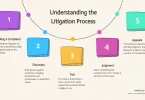
Tip 6: Understand the Court Process Step by Step
Knowing the general steps in a court case helps you stay prepared.
Filing the Case
The process begins when a complaint is submitted to the court.
Notification
The other party is informed about the case.
Response
They reply to the complaint.
Hearing or Trial
Both sides present their arguments.
Decision
The court gives a judgment based on the evidence.
Understanding these steps makes the process less confusing.
Tip 7: Be Honest and Accurate
Honesty is very important in court proceedings.
- Provide truthful information
- Avoid exaggeration
- Do not hide important facts
Being honest builds trust and strengthens your position.
Tip 8: Stay Calm During Hearings
Court hearings can be stressful, but staying calm is important.
- Listen carefully to questions
- Take your time before answering
- Avoid interrupting others
A calm approach helps you think clearly and respond effectively.
Tip 9: Dress and Behave Appropriately
Your appearance and behavior can influence how you are perceived.
- Dress neatly and simply
- Arrive on time
- Show respect to the court
Professional behavior reflects seriousness and respect for the process.
Tip 10: Be Prepared for Delays
Court cases often take time. Delays are common due to various reasons.
To handle delays:
- Stay patient
- Keep track of updates
- Continue preparing your case
Understanding this helps you manage expectations.
Tip 11: Take Notes During Proceedings
Keeping notes can be very helpful.
You can note:
- Important statements
- Dates and instructions
- Key points from the hearing
These notes help you stay organized and remember important details.
Tip 12: Know When to Seek Guidance
While basic knowledge is helpful, some situations may require expert advice.
Consider seeking guidance if:
- The case is complex
- You feel unsure about procedures
- Important decisions need to be made
Getting help at the right time can prevent mistakes.
Tip 13: Respect the Legal Process
The court system is designed to ensure fairness.
- Follow all rules and instructions
- Avoid shortcuts or improper actions
- Trust the process
Respecting the system helps your case move smoothly.
Common Mistakes to Avoid
Beginners often make avoidable mistakes. Being aware of them can help you stay on track.
Ignoring Deadlines
Missing important dates can harm your case.
Poor Preparation
Lack of preparation can weaken your arguments.
Emotional Reactions
Letting emotions control your actions can create problems.
Incomplete Documentation
Missing documents can delay or weaken your case.
Benefits of Following These Tips
Applying these tips can improve your overall experience.
- Better understanding of the process
- Stronger presentation of your case
- Reduced stress and confusion
- Increased confidence
Even small improvements can make a big difference.
Building Confidence in Court
Confidence comes from preparation and awareness.
You can build confidence by:
- Practicing how to explain your case
- Reviewing your documents regularly
- Understanding each step of the process
Over time, you will feel more comfortable handling legal situations.
Conclusion: Court Legal Procedures Tips
Court legal procedures may seem complex at first, but they become easier when you understand the basics and follow practical tips. From organizing documents to staying calm during hearings, each step plays an important role in handling your case effectively.
By staying informed, prepared, and respectful, you can navigate court procedures with greater confidence. You do not need to be an expert—just a clear understanding of the process and a willingness to learn.
These simple tips can help you avoid common mistakes and approach legal situations in a calm and organized way.
Frequently Asked Questions (FAQs)
1. What is the most important tip for court procedures?
Being prepared and organized is one of the most important factors in handling a court case effectively.
2. Why are deadlines important in court cases?
Deadlines ensure the process moves smoothly. Missing them can negatively affect your case.
3. How should I behave in court?
You should remain calm, respectful, and focused on facts while following all court instructions.
4. Can I handle a court case without experience?
Yes, for simple cases, basic knowledge can help. However, guidance may be useful in complex situations.
5. Why do court cases take time?
They involve multiple steps to ensure fairness, proper review of evidence, and equal opportunity for both sides.