
Introduction
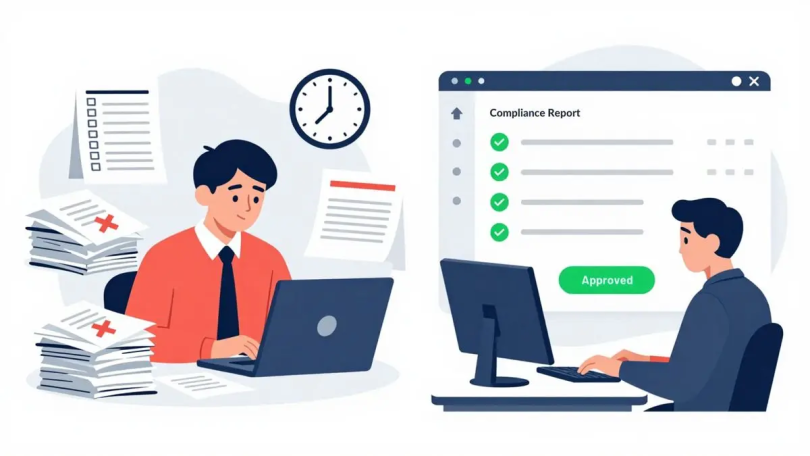
Employment contracts play a crucial role in modern workplaces. Whether you are starting your first job, changing careers, or hiring new staff, understanding employment contracts is essential. These agreements establish the legal relationship between employers and employees while defining rights, responsibilities, and expectations for both parties.
Many people sign employment contracts without fully reading or understanding them. However, taking the time to review the details can prevent future disputes and misunderstandings. A well-written contract provides clarity regarding salary, working hours, benefits, job duties, termination procedures, and workplace policies.
Employment contracts are important because they create a foundation for a professional and productive working relationship. They protect employers by setting clear performance expectations while also protecting employees by ensuring fair treatment and compensation. In many cases, employment contracts serve as valuable legal documents when workplace disagreements arise.
What is Employment Contracts?
Employment contracts are legally binding agreements between an employer and an employee. These contracts outline the terms and conditions of employment, ensuring that both parties understand their obligations and rights.
A typical employment contract includes information such as:
- Job title
- Duties and responsibilities
- Salary or wages
- Working hours
- Employee benefits
- Leave entitlements
- Confidentiality requirements
- Termination conditions
Employment contracts can be written, verbal, or implied depending on local labor laws. However, written contracts are generally preferred because they provide clear documentation and reduce misunderstandings.
For example, if a company hires a marketing manager, the employment contract may specify the monthly salary, reporting structure, performance expectations, and notice period required before resignation.
Why is Employment Contracts Important?
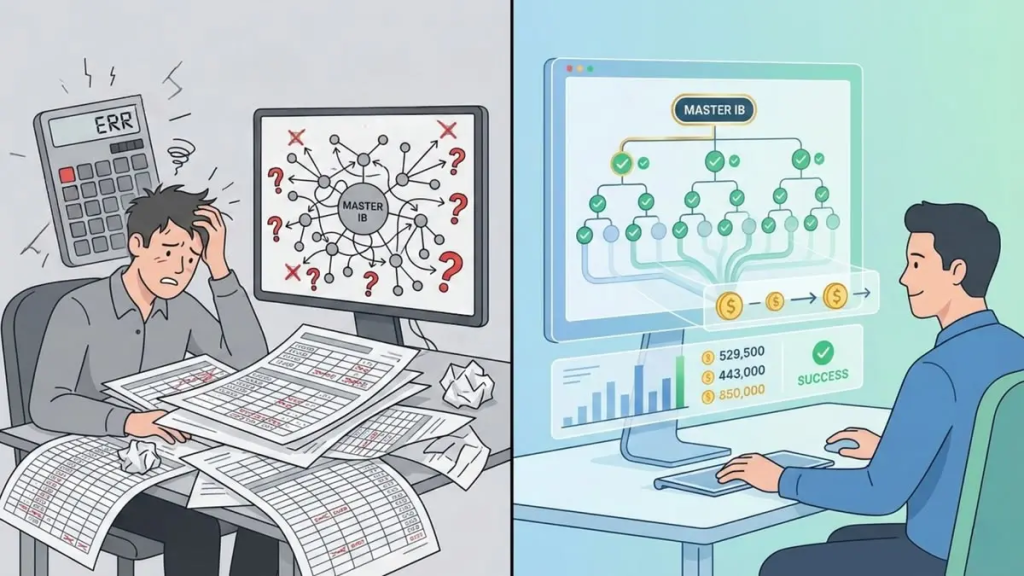
Employment contracts provide structure and legal protection for both employers and employees.
Without a formal agreement, misunderstandings can arise regarding compensation, job responsibilities, workplace expectations, or termination procedures. A clear contract helps eliminate confusion by documenting important terms from the beginning.
Some key reasons why employment contracts are important include:
- Establishing clear expectations
- Protecting legal rights
- Defining compensation and benefits
- Reducing workplace disputes
- Improving professional relationships
- Supporting compliance with labor laws
For employers, contracts help safeguard business interests. For employees, they provide assurance regarding job security, compensation, and workplace conditions.
A properly drafted contract creates transparency, which often leads to a healthier and more productive work environment.
Detailed Step-by-Step Guide
Step 1: Understand the Purpose of the Contract
Before signing any agreement, understand why the employment contract exists.
The contract serves as a roadmap for the employment relationship. It outlines expectations, responsibilities, and procedures that both parties must follow throughout employment.
Read the document carefully and identify its primary objectives before agreeing to the terms.
Step 2: Review Personal Information
Verify that all personal and company details are correct.
Check information such as:
- Full legal name
- Company name
- Job title
- Employment start date
- Work location
Incorrect information may create administrative or legal complications later.
Step 3: Examine Job Responsibilities
One of the most important sections of employment contracts is the description of duties.
Ensure that:
- Responsibilities are clearly defined
- Expectations are realistic
- Reporting relationships are specified
- Performance standards are explained
A detailed job description helps prevent role confusion and future disagreements.
Step 4: Evaluate Salary and Compensation
Review all financial terms carefully.
Important compensation details include:
- Base salary
- Hourly wage
- Overtime payment
- Commission structure
- Performance bonuses
- Pay schedule
Never assume compensation details will be clarified later. Everything should be documented within the contract.
Step 5: Check Working Hours
Employment contracts should clearly state expected working hours.
Review:
- Daily schedules
- Weekly work requirements
- Overtime policies
- Break periods
- Flexible working arrangements
This information helps employees understand workload expectations and maintain work-life balance.
Step 6: Understand Benefits and Leave Policies
Employee benefits can significantly impact overall compensation.
Look for details regarding:
- Health insurance
- Retirement plans
- Paid vacation
- Sick leave
- Maternity or paternity leave
- Professional development support
Benefits often represent a substantial portion of total employment value.
Step 7: Review Confidentiality Clauses
Many organizations include confidentiality provisions.
These clauses may restrict employees from sharing:
- Trade secrets
- Customer information
- Financial records
- Internal business strategies
Understanding confidentiality requirements is essential to avoid accidental violations.
Step 8: Examine Non-Compete Agreements
Some employment contracts include non-compete clauses.
These provisions may limit an employee’s ability to work for competitors after leaving the organization.
Carefully evaluate:
- Duration
- Geographic restrictions
- Industry limitations
Seek clarification if these restrictions seem excessive.
Step 9: Understand Termination Conditions
Every contract should explain how employment may end.
Review:
- Notice periods
- Grounds for termination
- Resignation procedures
- Severance arrangements
- Final payment policies
Knowing these conditions helps employees plan for future career transitions.
Step 10: Seek Professional Advice if Necessary
If any section appears unclear, consult a qualified legal or employment professional.
Professional guidance can help identify potential concerns and ensure informed decision-making before signing.
Benefits of Employment Contracts
Employment contracts offer numerous advantages for both employers and employees.
- Clearly define workplace expectations
- Reduce misunderstandings and disputes
- Provide legal protection for both parties
- Outline compensation and benefits
- Improve workplace transparency
- Establish professional accountability
- Support compliance with employment laws
- Clarify termination procedures
- Protect confidential business information
- Enhance employee confidence and security
- Encourage long-term professional relationships
- Create documented evidence during disputes
Organizations with strong contract practices often experience better employee satisfaction and operational efficiency.
Disadvantages / Risks
Although employment contracts provide many benefits, certain risks may exist.
- Some clauses may limit employee flexibility
- Non-compete agreements can restrict future opportunities
- Complex legal language may cause confusion
- Inadequate review may lead to unfavorable terms
- Poorly written contracts can create disputes
- Changes in job responsibilities may require updates
- Contract breaches can result in legal consequences
- Certain obligations may continue after employment ends
Understanding these risks allows individuals to make informed decisions before signing.
Common Mistakes to Avoid
Many employees and employers make avoidable mistakes when dealing with employment contracts.
One common mistake is signing too quickly. People often focus on salary while overlooking important details regarding benefits, termination conditions, and workplace expectations.
Another mistake is failing to ask questions. If a clause appears confusing, seek clarification before signing.
Ignoring non-compete or confidentiality provisions can also create future problems. These clauses may have long-term implications that extend beyond employment.
Some individuals assume verbal promises are enforceable even when they are not included in the written contract. Always request written confirmation of important commitments.
Failing to keep a signed copy of the agreement is another frequent error. Maintaining personal records helps resolve potential disputes.
Finally, neglecting to review updates or amendments can lead to misunderstandings. Whenever a contract changes, carefully review the revised terms before accepting them.
FAQs
What is the main purpose of employment contracts?
The primary purpose of employment contracts is to establish clear terms and conditions between employers and employees. They define rights, responsibilities, compensation, and workplace expectations.
Are employment contracts legally binding?
Yes. In most jurisdictions, properly executed employment contracts are legally binding agreements. Both parties are expected to comply with the stated terms and conditions.
Can employment contracts be changed after signing?
Yes. Employment contracts can be modified if both employer and employee agree to the changes. Amendments should be documented in writing whenever possible.
What happens if an employment contract is breached?
A contract breach may lead to disciplinary action, financial consequences, legal disputes, or termination depending on the severity of the violation and applicable laws.
Should employees negotiate employment contracts?
Yes. Employees should review contracts carefully and negotiate terms when appropriate. Salary, benefits, leave policies, and job responsibilities are often negotiable.
Do temporary employees need employment contracts?
Yes. Temporary workers can benefit from employment contracts because they clarify project duration, compensation, responsibilities, and termination procedures.
What is a probation period in employment contracts?
A probation period is an initial evaluation phase during which employers assess employee performance and suitability before confirming long-term employment.
Why should employers use written employment contracts?
Written contracts provide clear documentation, reduce misunderstandings, support legal compliance, and offer protection in the event of workplace disputes.
Expert Tips & Bonus Points
Review every clause carefully before signing any employment contract.
Focus on understanding the entire agreement rather than concentrating only on salary.
Keep a personal copy of all signed documents in a secure location.
Pay special attention to confidentiality, intellectual property, and non-compete provisions.
Request written clarification for any verbal promises made during recruitment.
Regularly review contract updates to stay informed about changing workplace policies.
Employers should use clear and simple language whenever possible. Complex wording often increases confusion and legal risk.
Employees should understand local labor laws because contract terms must generally comply with applicable regulations.
Maintaining open communication between employers and employees can prevent many contract-related disputes before they escalate.
When changing jobs, compare new contracts carefully against previous agreements to identify important differences in compensation, benefits, and obligations.
Conclusion
Employment contracts are among the most important documents in any professional relationship. They establish expectations, define responsibilities, and create legal protection for both employers and employees. A well-structured contract promotes transparency, accountability, and mutual understanding, helping organizations operate more efficiently while providing workers with confidence and security.
Understanding employment contracts requires careful attention to detail. Individuals should thoroughly review compensation terms, job responsibilities, benefits, confidentiality requirements, and termination procedures before signing. Taking the time to understand these provisions can prevent costly misunderstandings and legal disputes in the future.
Employers benefit from employment contracts because they help manage workplace expectations and protect business interests. Employees benefit because contracts provide clarity regarding compensation, rights, and working conditions. When properly drafted and reviewed, these agreements create a strong foundation for successful long-term employment relationships.