Every citizen has rights that protect them in daily life, whether at work, home, school, or in public. However, many people are unaware of their rights, which can lead to exploitation, injustice, or unfair treatment. Rights awareness for citizens is essential because knowing your rights empowers you to make informed decisions, defend yourself, and contribute to a fair society.
This guide explains the importance of rights awareness, the types of rights citizens have, and practical ways to protect and exercise them.
What Is Rights Awareness for Citizens?

Rights awareness for citizens means understanding your legal, social, and human rights, including how to exercise them effectively. It involves:
- Knowing what you are legally entitled to in various situations
- Recognizing when your rights are being violated
- Taking action to protect yourself or others
- Understanding how laws and government policies affect your daily life
Awareness of rights is the first step toward empowerment and participation in a fair and just society.
Why Rights Awareness Is Important
Being aware of your rights has many benefits:
- Protection from abuse: Awareness prevents exploitation at work, in schools, or in public services.
- Empowerment: Citizens can take action when their rights are violated.
- Access to justice: Knowledge of rights helps you report crimes or violations legally.
- Informed decision-making: Citizens can make better choices regarding employment, property, contracts, or healthcare.
- Strengthening democracy: Informed citizens can hold governments accountable and participate actively in society.
Without rights awareness, citizens may unknowingly accept unfair treatment or legal violations.
Key Rights Citizens Should Know
1. Fundamental Human Rights
Every citizen is entitled to basic human rights, such as:
- Right to life and personal safety
- Freedom of speech, expression, and belief
- Equality and protection from discrimination
- Right to education and basic healthcare
2. Civil and Political Rights
These rights protect your participation in society:
- Right to vote and participate in elections
- Freedom of assembly and association
- Protection against unlawful detention
- Right to access public information
3. Employment and Labor Rights
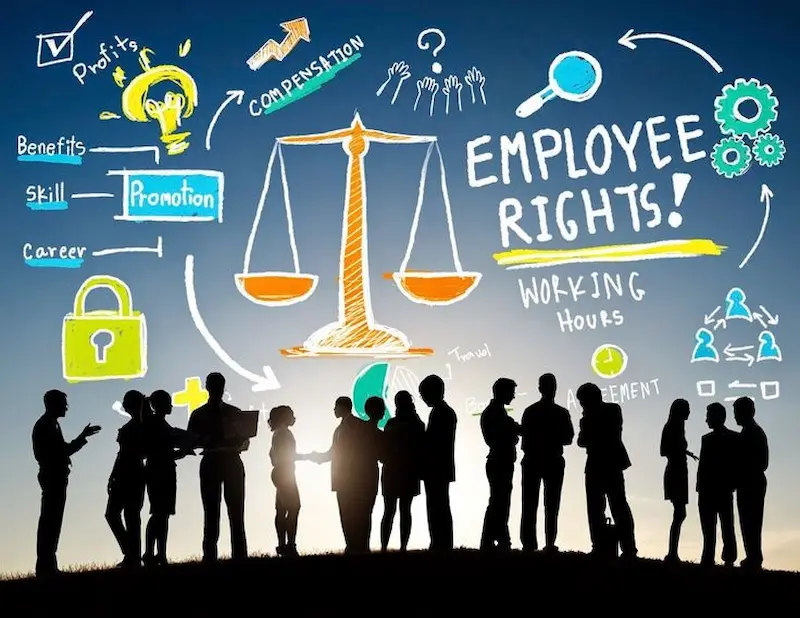
Workers have rights to ensure fair treatment:
- Minimum wage and fair pay
- Safe working conditions
- Protection from harassment and discrimination
- Right to form or join unions
4. Consumer Rights
Citizens have rights when buying goods or services:
- Right to quality and safe products
- Right to refunds, repairs, and warranties
- Protection against false advertising and fraud
5. Property Rights
Rights related to ownership and use of property:
- Right to buy, sell, or rent property legally
- Protection against illegal eviction
- Right to fair contracts and leases
How Citizens Can Raise Awareness of Their Rights
- Educational programs: Participate in workshops, seminars, or online courses about citizen rights.
- Community initiatives: Join local groups promoting legal literacy and social justice.
- Media and online resources: Use government websites, legal blogs, and civic platforms to learn about rights.
- Schools and universities: Encourage rights education in classrooms to prepare young citizens.
- Public campaigns: Participate in awareness drives about consumer rights, gender equality, or anti-corruption measures.
You may also like to read this:
Easy Law Guides Online: Learn Legal Basics
Law Guides for Beginners: Easy Legal Tips
Understanding Law Guides: Simple Legal Tips
Practical Law Guides for Students: Easy Legal Tips
Basic Law Guides Explained: Easy Legal Tips
Practical Tips for Citizens
- Stay informed: Regularly read official government updates or trusted news sources about rights and laws.
- Keep records: Document important agreements, receipts, or incidents that could affect your rights.
- Seek advice: Consult legal aid organizations or professionals when facing complex issues.
- Report violations: Don’t ignore unlawful actions—use proper channels to protect your rights.
- Educate others: Share knowledge about rights with family, friends, and your community.
Final Thoughts
Rights awareness for citizens is a crucial tool for empowerment and fairness. Knowing your rights allows you to protect yourself, make informed decisions, and contribute positively to society. A well-informed citizen is a strong citizen—one who can defend justice, participate in democracy, and live with confidence and dignity.
By actively learning and sharing knowledge about rights, citizens can create a safer, fairer, and more equitable society for everyone.
FAQs – Rights Awareness for Citizens
Q1: What is rights awareness for citizens?
A1: Understanding your legal, human, and social rights and knowing how to protect them.
Q2: Why is rights awareness important?
A2: It empowers citizens, prevents abuse, and helps access justice.
Q3: What rights should every citizen know?
A3: Fundamental rights, civil and political rights, employment, consumer, and property rights.
Q4: How can citizens learn about their rights?
A4: Through education programs, community initiatives, online resources, and legal aid organizations.
Q5: Can awareness of rights improve society?
A5: Yes, informed citizens can participate actively in democracy and help create a fair society.